Reykjavik Northern Lights Weather, Month by Month
Hours, prices and access verified by the Reykjavik Northern Lights Tours team — last checked 2026-09-23.
For the northern lights, the weather that matters is cloud, and the
calendar that matters is darkness. This page gives you both for every month: the Met
Office's 30-year normals for Reykjavík and the almanac's hours of full dark. Read it before
you book Reykjavik Northern Lights tickets, then pack for the month.
What the weather does to a northern lights night
Cloud closes the sky. The aurora can be bright above a solid deck and you will see
nothing, which is why the operators read the cloud map before anything else. Rain and snow
come with cloud, so the wettest months are the riskiest.
Cold and wind do not stop a hunt, but they decide how the night feels. You stand still
outside for long stretches, often on open ground. A calm night at freezing is easy. A windy
one at 2 °C is not, so dress for colder than the figure.
The boats are the most weather-sensitive. They can be called off at short notice when
conditions are poor. A land hunt called off for weather gives you another date or your money
back.
Reykjavik Northern Lights weather month by month
Each month gives the mean temperature, rain and snow, and sunshine at the Met Office's
Reykjavík station, from the 1961-1990 normals. The dark hours are the almanac's, for the date
nearest the 15th. "Full dark" means the sun is 18 degrees or more below the horizon.
Reykjavik weather in January
Reykjavík averages −0.5 °C, with about 76 mm of rain and snow and 27 hours of sun. Around the 15th, full dark runs from 19:29 to 07:46, about 12½ hours. The coldest month in the normals, so dress to stand still below freezing.
Reykjavik weather in February
Reykjavík averages 0.4 °C, with about 72 mm of rain and snow and 52 hours of sun. Around the 12th, full dark runs from 20:35 to 06:50, about 10 hours. Full dark shrinks by about two hours through the month.
Reykjavik weather in March
Reykjavík averages 0.5 °C, with about 82 mm of rain and snow and 111 hours of sun. Around the 12th, full dark runs from 22:04 to 05:14, about 7 hours. Sunshine more than doubles on February, and the nights shorten fast.
Reykjavik weather in April
Reykjavík averages 2.9 °C, with about 58 mm of rain and snow and 140 hours of sun. Around the 16th, the sky never gets fully dark. The last full dark comes around the 9th. The tours' calendars close this month.
Reykjavik weather in May
Reykjavík averages 6.3 °C, with about 44 mm of rain and snow and 192 hours of sun. Around the 14th, the sky never gets fully dark. The driest month in the normals, and too bright for a hunt.
Reykjavik weather in June
Reykjavík averages 9.0 °C, with about 50 mm of rain and snow and 161 hours of sun. Around the 18th, the sky does not even reach deep twilight. The sun sets just after midnight and rises before 03:00.
Reykjavik weather in July
Reykjavík averages 10.6 °C, with about 52 mm of rain and snow and 171 hours of sun. Around the 16th, the sky does not even reach deep twilight. The warmest month. Deep twilight only returns in the last week.
Reykjavik weather in August
Reykjavík averages 10.3 °C, with about 62 mm of rain and snow and 155 hours of sun. Around the 13th, the sky never gets fully dark. Twilight deepens, and the earliest pickup calendar opens on the 15th.
Reykjavik weather in September
Reykjavík averages 7.4 °C, with about 66 mm of rain and snow and 125 hours of sun. Around the 17th, full dark runs from 22:48 to 03:52, about 5 hours. Full dark returns in the first week, and most calendars open.
Reykjavik weather in October
Reykjavík averages 4.4 °C, with about 86 mm of rain and snow and 83 hours of sun. Around the 15th, full dark runs from 20:48 to 05:37, about 9 hours. The wettest month in the normals, so cloud is the risk.
Reykjavik weather in November
Reykjavík averages 1.1 °C, with about 72 mm of rain and snow and 38 hours of sun. Around the 12th, full dark runs from 19:31 to 06:52, about 11½ hours. Sunshine drops below 40 hours, and the nights are long.
Reykjavik weather in December
Reykjavík averages −0.2 °C, with about 79 mm of rain and snow and 12 hours of sun. Around the 17th, full dark runs from 18:56 to 07:51, about 13 hours. The least sun of the year, and daylight of about 4 hours at the solstice.
The seasons, and which one you want
| Season | Mean temperature | Rain and snow a month | Sun a month | Full dark a night |
|---|
| Winter: November to March | 0.3 °C | About 76 mm | About 48 hours | About 7 to 13 hours |
| Shoulder: September, October, April | 4.9 °C | About 70 mm | About 116 hours | None in mid-April; up to about 9 hours |
| Summer: May to August | 9.1 °C | About 52 mm | About 170 hours | None |
Pick winter for the longest dark, and accept the cold and the short days. Pick the
shoulder months for milder nights and fewer hours of dark: September and early April give you
full dark from late evening. Summer is out: from mid-April to the end of August the sky never
goes fully dark.
Picked your month?
Compare the hunts, the boats and what each fare gives you if the sky stays shut.
Best time of night
Aim for the hours around midnight. NOAA puts the best aurora within an hour or two of
it, and the Met Office forecasts activity for midnight. That is why most pickups are between
20:00 and 21:30, and why the late departures bring you back after midnight.
At the edges of the season, full dark comes late, around 22:48 in mid-September. In
mid-winter it comes before 19:00, so an early start is fine. Whatever the month, check the
cloud map for the late hours, not just the moment you look.
Asked about the weather
How cold is it on a northern lights night in Reykjavík?
The winter months average around freezing in the 1961-1990 normals: -0.5 °C in January and -0.2 °C in December. At night, standing still in the wind, it feels colder. Recent years have run a little warmer than these normals.
What is the wettest month in Reykjavík?
October, at about 86 mm in the normals, and May is the driest at about 44 mm. Rain and snow mean cloud, and cloud is what stops you seeing the lights.
Do northern lights tours run in bad weather?
The hunts run when the forecast gives them a chance, and are called off when it does not. A cancelled tour is offered another date or a refund. The boats can be called off at short notice.
Where do I check the weather on the day?
The Icelandic Met Office at vedur.is, which prints the cloud map and the aurora forecast on the same page. Check it in the afternoon, when the operators decide.
Where these figures come from
Temperature, precipitation and sunshine are the Icelandic Met Office's 1961-1990 normals
for station 1 at Reykjavík. The Met Office's monthly record for August 2026 is in the second
link. The dark hours are the University of Iceland almanac's Reykjavík table, read 23 September 2026.
Tours that pack for the cold
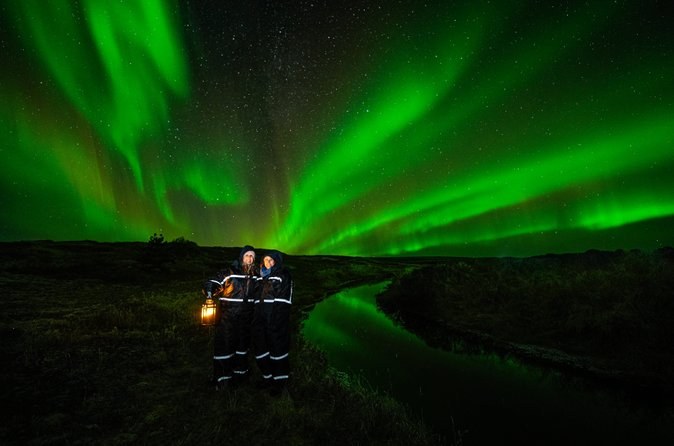
Four to six hours with warm winter jumpsuits, outdoor chairs, tripods, cocoa and cinnamon rolls, unlimited photos, and a free retry depending on availability; from age 5.
From $212 per person
Check Availability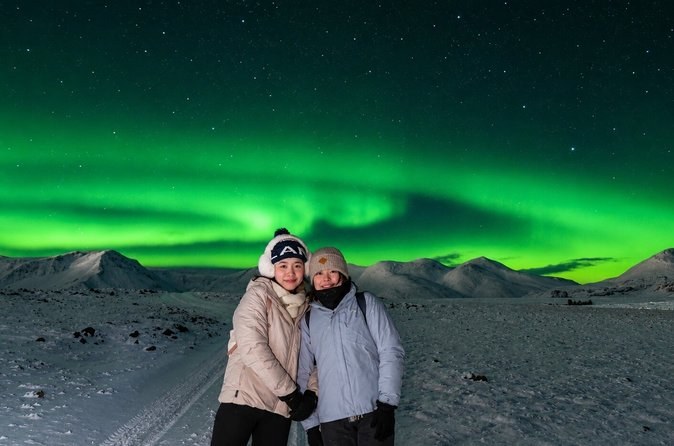
Four hours in a 4x4 minibus of 16 at most, with hand warmers, pastries and cocoa, photos by the guide, and free re-booking for life if the lights stay away.
From $174 per person
Check Availability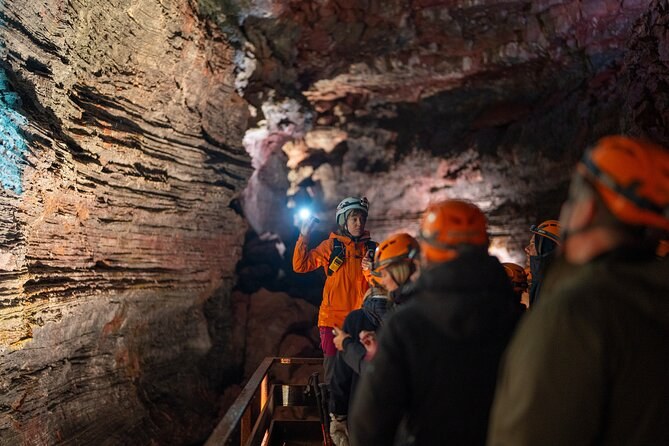
Five hours: an hour in a lava tunnel with a certified caving guide, helmet and torch, then the hunt with cocoa, a blanket and photos. The retry covers the lights part.
From $210 per person
Check Availability